
Qualifying questions that actually convert
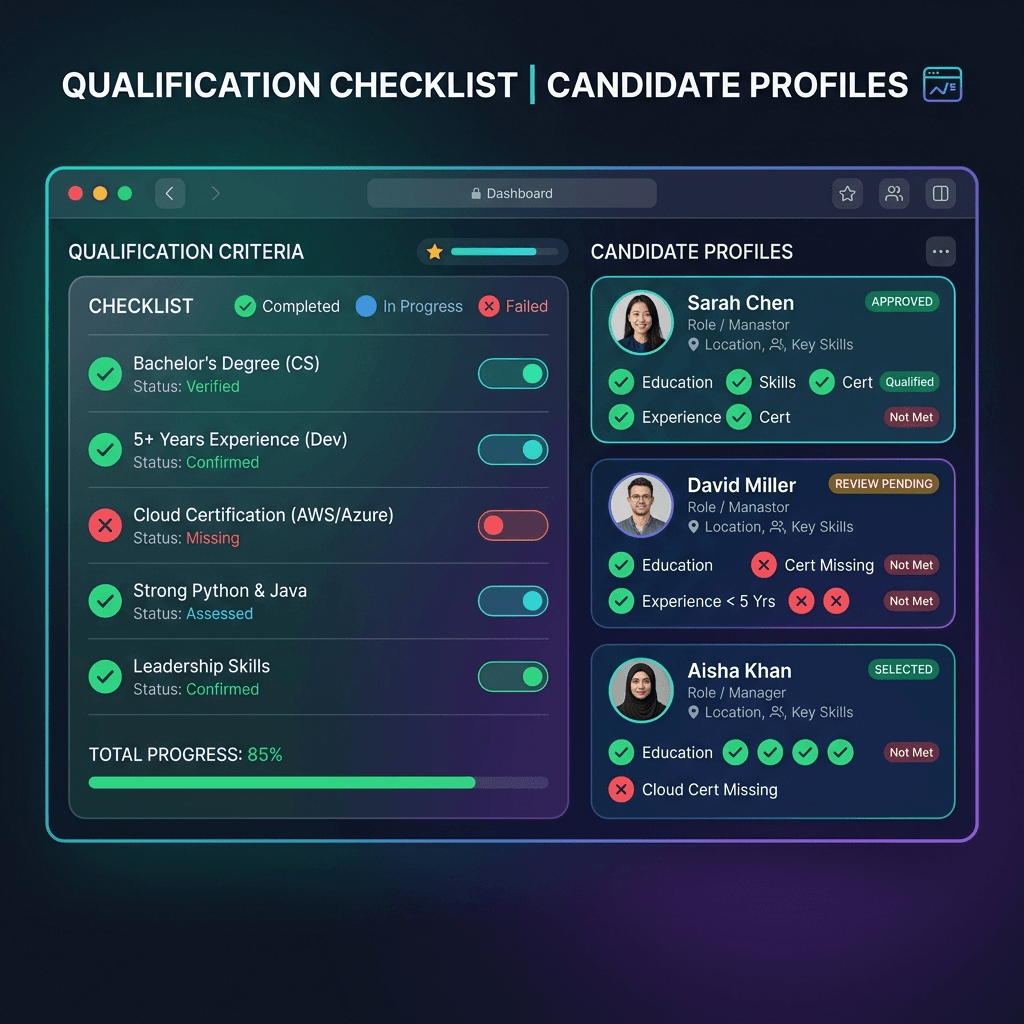
Qualification is a balance problem. Ask too many questions and leads hang up. Ask too few and you're booking appointments with people who will never buy.
Here's how to find the middle.
The drop-off curve
We analyzed call transcripts across TalkPixie customers to see how drop-off rates change with the number of qualifying questions asked.
- 0 questions: 8% drop-off (leads feel the call is pointless)
- 1–2 questions: 11% drop-off
- 3–4 questions: 14% drop-off
- 5–6 questions: 23% drop-off
- 7+ questions: 41% drop-off
The sweet spot in most industries is 3–4 questions. After that, leads start to feel like they're being interrogated rather than helped.
The questions that actually matter
Not all qualifying questions are equal. The ones that best predict conversion are rarely about demographics. They're about intent, urgency, and fit.
Intent: "What made you reach out today specifically?" This surfaces whether the lead has a real, active need or is casually browsing. Leads with a specific triggering event (moving next month, just got a diagnosis, business just crossed a revenue threshold) convert at 4x the rate of leads who "just wanted to learn more."
Urgency: "What's your timeline for [goal]?" A lead who needs to close in 60 days is a different conversation than one who is "thinking about it for next year." You want to know this early so you can calibrate your follow-up accordingly.
Decision-making: "Is it just you making this decision, or is someone else involved?" Multi-stakeholder decisions need different handling. Knowing this upfront lets you offer to include others in the next call.
Budget fit (when relevant): "Our typical [client / project / package] is in the range of [X]. Does that work for where you're at?" This only belongs in the script if your product has a clear price point that excludes some leads. Asking about budget too early, or unnecessarily, signals you're screening rather than serving.
The framing matters as much as the questions
The same question can feel helpful or interrogative depending on how it's framed.
Interrogative: "What's your budget?"
Helpful: "So I can point you toward the right option — are you thinking more [tier A] or [tier B]?"
Interrogative: "What's your timeline?"
Helpful: "When are you hoping to have this sorted?"
The language of service outperforms the language of screening every time. Leads don't mind answering questions; they mind feeling like they're being qualified out.
What to do with the answers
Qualification answers should do three things:
1. Determine the next step. High-intent lead + clear budget fit = book a call with a senior rep. Lower-intent lead = nurture sequence, not a hard push.
2. Brief the human who follows up. When the AI qualifies and books a lead, the notes from that call should arrive in the CRM before the human ever picks up the phone.
3. Feed your scoring model. Over time, the answers that best predict close should be weighted more heavily. If "moving next month" turns out to have a 60% close rate and "just exploring" has a 4% close rate, your routing logic should treat them very differently.
The rule of thumb
Three qualifying questions. Framed as helping the lead find the right solution. Focused on intent, urgency, and decision-making authority. Stop there unless something the lead says opens a natural follow-up.
That's enough to route well, brief your team, and avoid wasting anyone's time — without making leads feel like they're filling out a form.